5.        Evaluate the limit or determine that it does not exist. State a reason why. Use a graph to back up all conclusions.  


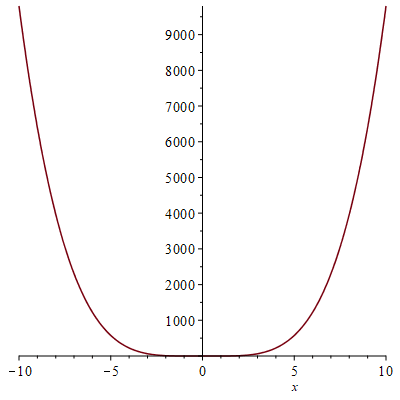
`+`(`*`(`^`(x, 4)), `-`(`*`(2, `*`(`^`(x, 2)))), 1); 64;  

`+`(`*`(`^`(x, 4)), `-`(`*`(2, `*`(`^`(x, 2)))), 1); Plot_2d


`/`(`*`(`+`(`/`(1, `*`(x)), `-`(`/`(1, 4)))), `*`(`+`(x, `-`(4)))); -`/`(1, 16); -0.62500e-1;  

`/`(`*`(`+`(`/`(1, `*`(x)), `-`(`/`(1, 4)))), `*`(`+`(x, `-`(4)))); Plot_2d 


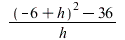
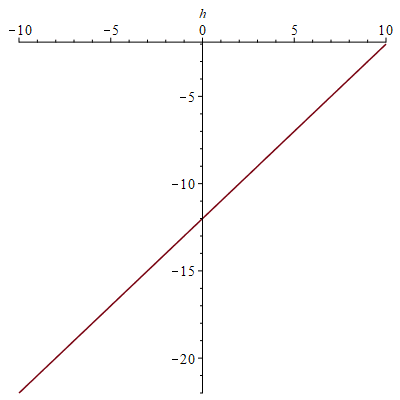
`/`(`*`(`+`(`*`(`^`(`+`(`-`(6), h), 2)), `-`(36))), `*`(h)); -12;  


`/`(`*`(`+`(`*`(`^`(`+`(`-`(6), h), 2)), `-`(36))), `*`(h)); Plot_2d 


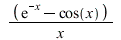
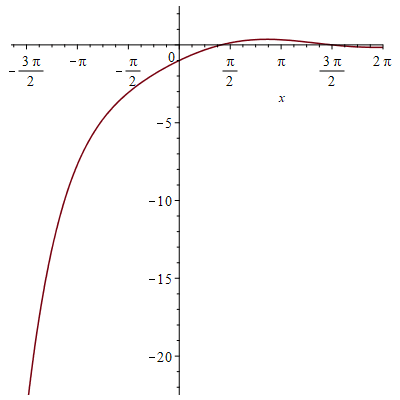
`/`(`*`(`+`(exp(`+`(`-`(x))), `-`(cos(x)))), `*`(x)); -1;  


`/`(`*`(`+`(exp(`+`(`-`(x))), `-`(cos(x)))), `*`(x)); Plot_2d 


`+`(sqrt(`+`(`*`(a, `*`(x)), `*`(`^`(x, 2)))), `-`(sqrt(`+`(`*`(b, `*`(x)), `*`(`^`(x, 2)))))); `+`(`*`(`/`(1, 2), `*`(a)), `-`(`*`(`/`(1, 2), `*`(b))));  


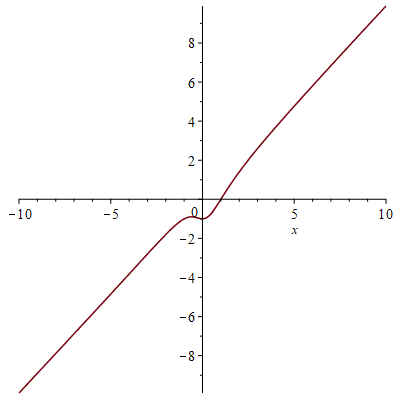
`/`(`*`(`+`(`*`(`^`(x, 3)), `-`(1))), `*`(`+`(`*`(`^`(x, 2)), 1))); infinity;  

`/`(`*`(`+`(`*`(`^`(x, 3)), `-`(1))), `*`(`+`(`*`(`^`(x, 2)), 1))); Plot_2d 


`/`(`*`(ln(`+`(`*`(`^`(x, 2)), 1))), `*`(x)); 0;  


plot(`/`(`*`(ln(`+`(`*`(`^`(x, 2)), 1))), `*`(x)), x = -1 .. 1, discont = [showremovable]);  

Plot_2d


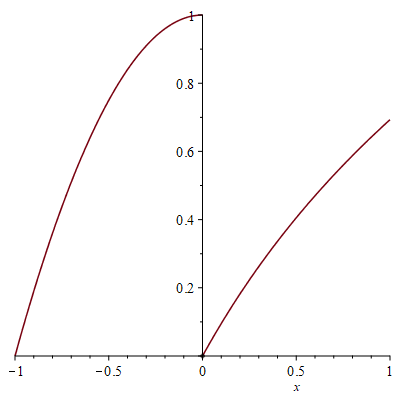
f := proc (x) options operator, arrow, function_assign; piecewise(`<=`(0, x), ln(`+`(x, 1)), `<`(x, 0), `+`(1, `-`(`*`(`^`(x, 2))))) end proc;  

f := proc (x) options operator, arrow; piecewise(`<=`(0, x), ln(`+`(x, 1)), `<`(x, 0), `+`(1, `-`(`*`(`^`(x, 2))))) end proc; (5.5.1)
 

f(x); undefined;  

f(x); 0; f(x); 1;  

plot(f(x), x = -1 .. 1, discont = true);  

Plot_2d


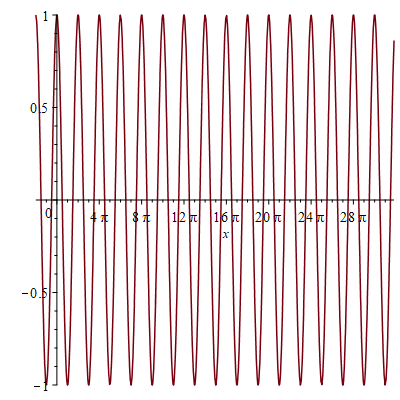
cos(x); -1 .. 1;  

cos(x); Plot_2d 

arctan(`+`(1, `/`(1, `*`(x)))); `+`(`*`(`/`(1, 4), `*`(Pi))); .78540;  

arctan(`+`(1, `/`(1, `*`(x)))); Plot_2d